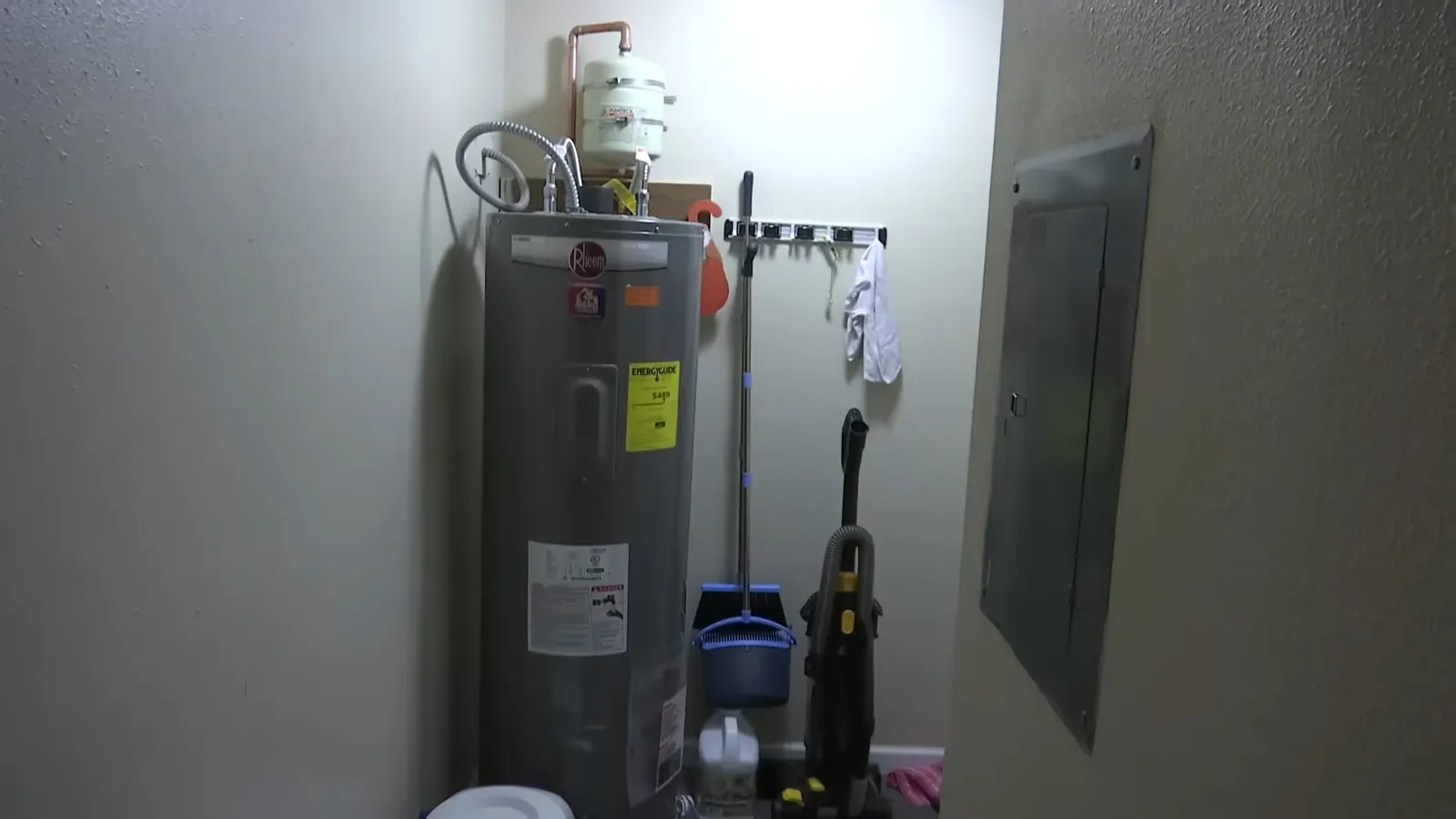
Water Heater Installation in Aliso Viejo, CA: Choosing the Unit, the Permit and the Quote
The heater is leaking from the bottom, or it has stopped heating for the third time this year, and the question is no longer repair but what to put in its place. A replacement comes with parts that never show up on the unit's price tag: strapping, a drain pan, an expansion tank, a vent, a permit.
This page covers replacing a heater and installing a new one: how gas, electric, hybrid and heat pump units differ, what the city lists for installations, and what a quote should contain so that two quotes can actually be compared.
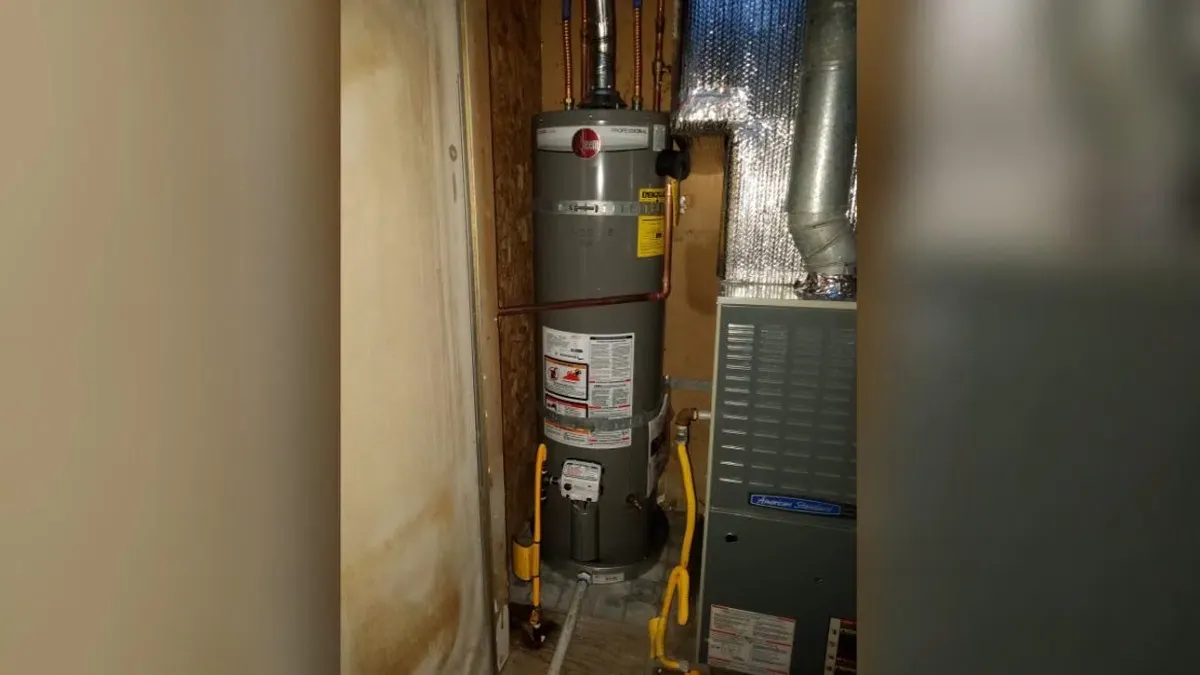
Replacement: like for like, or the moment to change size or fuel?
A like-for-like swap is the simplest job, because the supply lines, the vent or gas connection and the electrical circuit are already in place. Changing the fuel, the size or the type turns a replacement into a small project, with new piping, a new circuit or a new vent. The decision to make first is whether the new unit matches the old one.
| Type | What it needs in the house | Questions to ask |
|---|---|---|
| Gas tank | A gas connection, a vent to the outside and combustion air | Is the vent still sound, and does the gas connector need replacing? |
| Electric tank | A dedicated 240-volt circuit sized for the unit | Is the existing circuit adequate for the new element rating? |
| Hybrid or heat pump | A circuit, a condensate drain and space with air to draw heat from | Is there room, and how will the condensate drain? |
| Point-of-use, under sink | A nearby outlet and a short supply run | What fixtures can it serve, and what is it not meant to cover? |
Tankless units are a different class of project, with their own gas, venting and descaling questions, and they have their own page on tankless versus tank water heaters. The sections below are about tank replacement.
A heater that leaks beside a gas connection or an electrical panel is a stop-and-call situation. Close the cold supply valve, keep clear of wet electrical equipment and leave gas controls alone. If you smell gas, the utility or 911 is the first call.
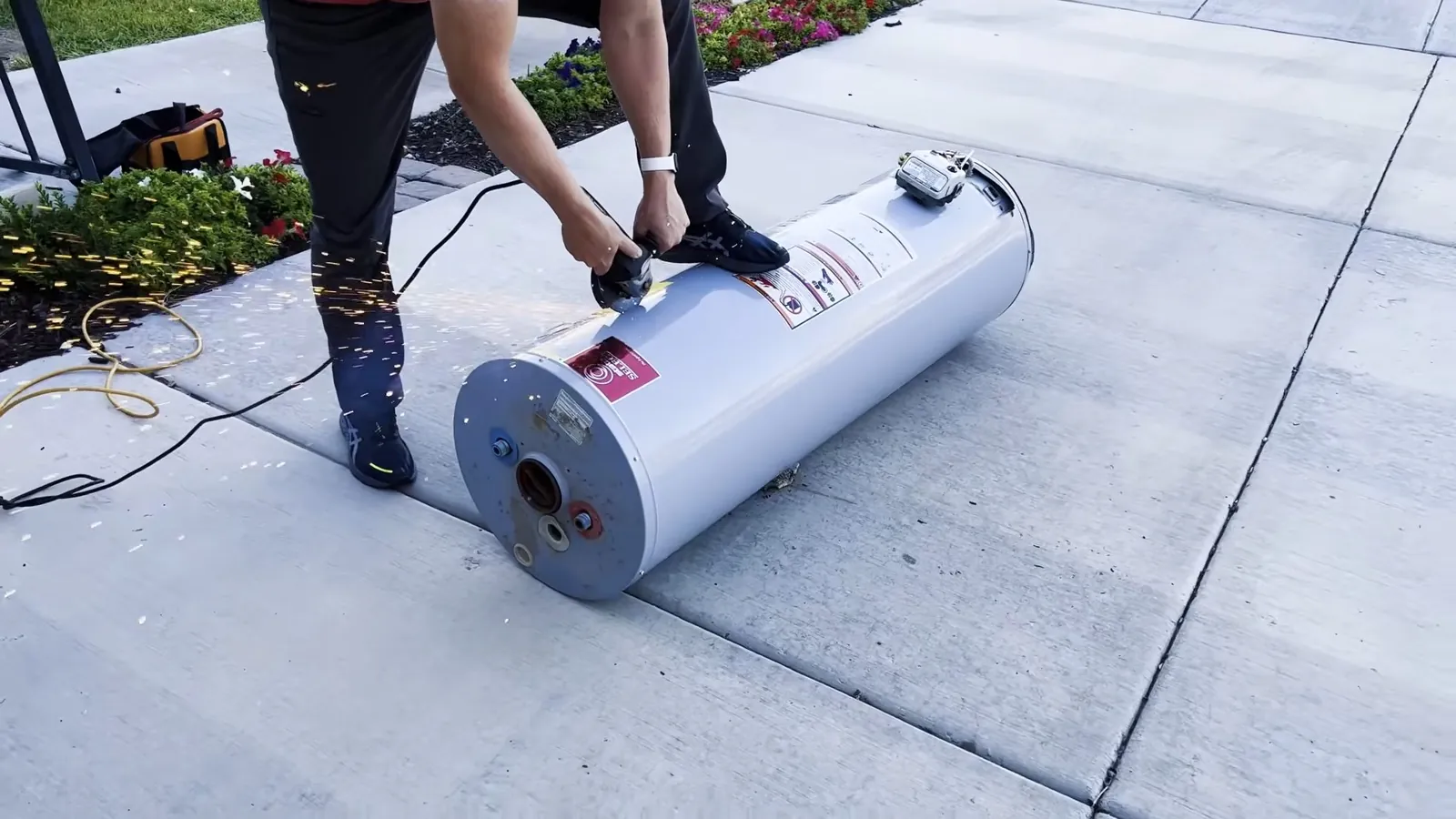
Installation: what happens on the day and what a quote should list
- The old unit is shut down and drained. Gas or power is turned off, the cold supply is closed and the tank is drained to a safe location.
- Connections come off, the unit is removed. Supply lines, the gas connector or electrical feed, the vent and the relief valve discharge are disconnected.
- The new unit is set on a pan and strapped. The drain pan goes under it, and the tank is strapped to the wall.
- Supply, relief valve, expansion tank and vent are connected. The relief valve discharge pipe is routed to a safe location, and the expansion tank is added if the system calls for one.
- Gas or power is restored and the unit is tested. A gas unit is leak-tested at its connections and the flame and venting are checked. An electric unit is checked at the circuit.
- The old unit is hauled away. Confirm that removal is in the quote.
What a quote should name
- The model, tank size and fuel, in writing.
- Seismic strapping, a drain pan, a relief valve and its discharge pipe, and an expansion tank where one is needed.
- Venting or electrical changes, and whether new piping or a gas connector is included.
- The permit: who pulls it and when you will see the permit number.
- Haul-away of the old heater and what happens if hidden damage is found during the swap.
If you are choosing between gas and electric, the answer often comes down to what is already in the house; adding a gas line or a new circuit is the largest hidden cost of a change. A new gas run is covered on the gas line installation page.
Expansion tank, permit and code: what the city handout lists
Aliso Viejo's handout for water heater installations is specific, and it is the best checklist available for comparing quotes.
| Item | What the handout says |
|---|---|
| Seismic strapping | An approved kit, with the bottom strap at least 4 inches above the controls; the requirement applies to replacements under Health and Safety Code 19211(a) |
| Expansion tank | Required on closed systems under California Plumbing Code 608.3 |
| Drain pan | At least 1.5 inches deep, under California Plumbing Code 507.5 |
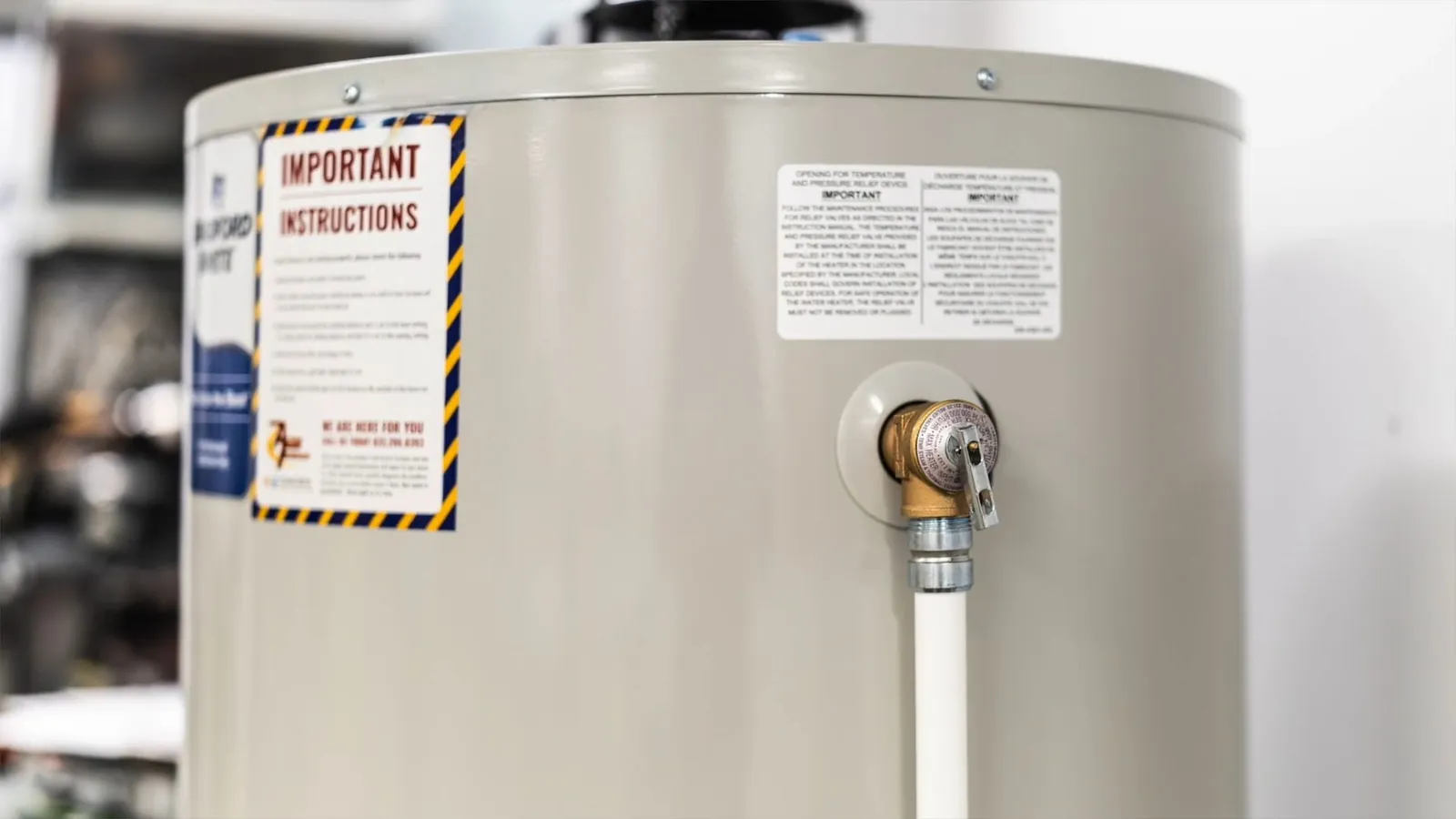
| Relief valve | Discharge piping rules for where the valve drains |
| Garage burners | Burners 18 inches above the floor unless the heater is flammable-vapor resistant |
| Vent and access | Type B vent; a 22 by 30 inch access to the unit |
The permit question
Plumbing permit fees are listed in the city's fee schedule, and starting before a permit is issued doubles them. The handout is silent on whether a like-for-like swap needs a permit, so ask the plumber to state it, and ask Building and Safety if the answer is unclear. When one is pulled, have the number written on the quote. Expansion tank repair is rarely a repair: a tank that has lost its air charge or is waterlogged is normally replaced.
Drawn from the city's water heater installation handout and its FY 2026-27 fee schedule, checked October 2026.
Who should install it: the license and the permit number
California licenses plumbing work by classification. The Contractors State License Board describes the C-36 plumbing classification as covering water heater installation, among other work, and lets anyone look a contractor up on its license check page. Aliso Viejo's building division asks a contractor pulling a permit to hold the state license in the matching classification. The dispatch line routes calls to independent plumbers, and ask the dispatcher for license details before any work starts.
Ask the installer to say who is responsible if the work is found deficient. Plumbers on this network are independent and answer for their own work, so the question is about that plumber's practice, and the answer belongs in writing along with the scope.
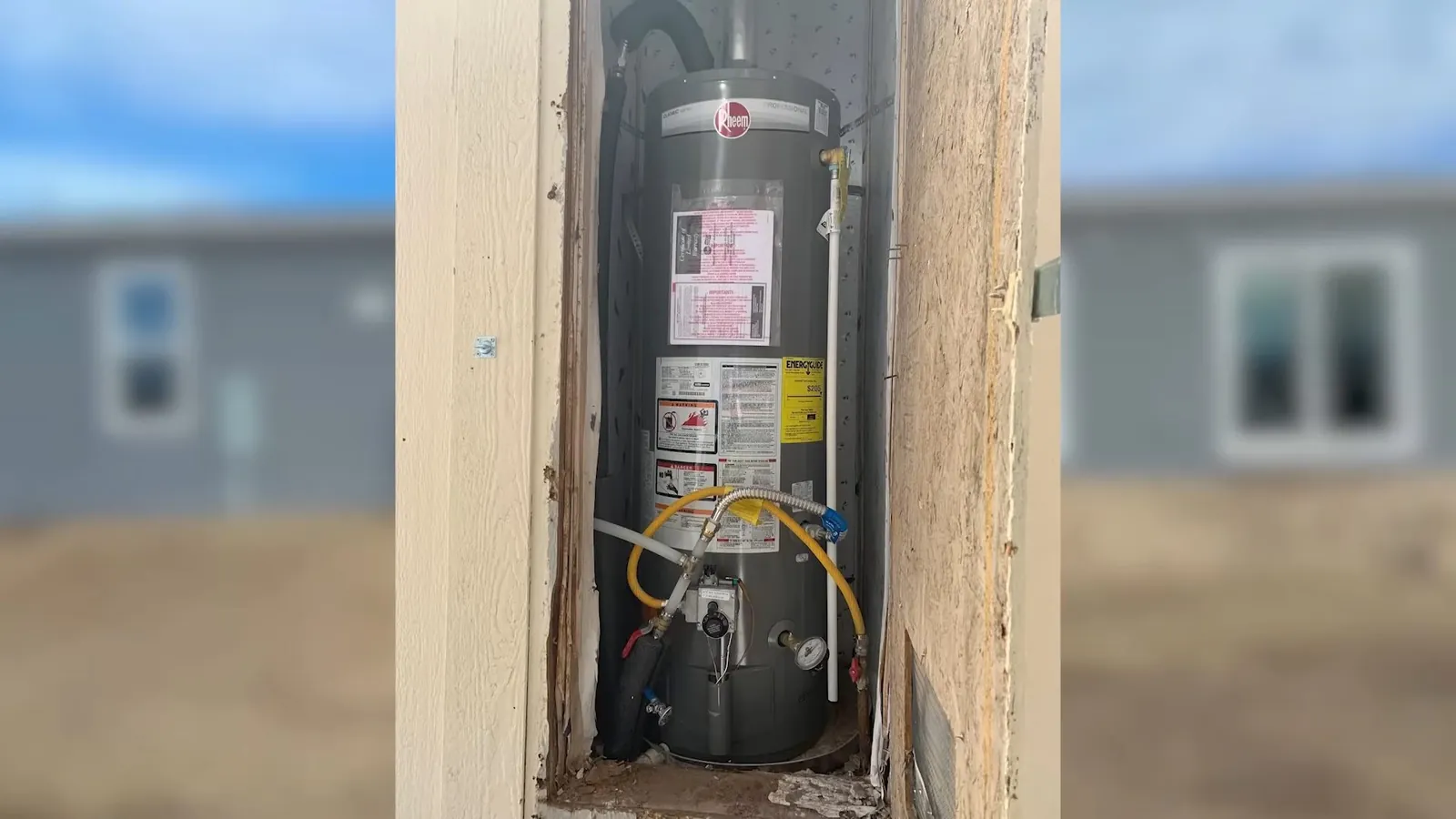
Gas, electric, hybrid and heat pump: choosing by what the house can support
Gas heaters recover quickly and keep working during a power outage only if they do not rely on electronic ignition. Electric tank heaters are simple and need only a circuit. Hybrid and heat pump models use less electricity by moving heat from surrounding air, at the cost of space, a condensate drain and a cooler, damper room. None of these is better in the abstract. The better one is the one the existing connections, the room and your use of hot water support.
Sizing and gallons: matching the tank to the household
Tank size follows how many people use hot water and how much of it is used at once. The first-hour rating on the label shows how much hot water the heater can deliver in an hour, which matters more than the gallon number on its own. Ask the plumber to explain why a size was chosen, and what changed if it differs from the old tank, because a larger tank may not fit the closet or the strapping.
After the swap: what to check in the first week
Look at every connection on the new heater and at the drain pan after the first few days. Watch the meter once everything is off. If water appears under the house or around the heater, or the meter keeps moving with nothing running, close the main house valve and call. A leak at a new connection is a quick fix, and a hidden one is the case the meter test and leak locating page is built for.
One caller reported a burst pipe under the house after a heater replacement. That can happen when a connection to old pipe is stressed during the swap, and it is a reason to ask what condition the nearby piping was in when the work was done.
Water heater installation questions
Do I need a plumber for water heater installation?
Yes. Gas connections, venting, relief valve discharge and permits are plumbing work, and the city asks for a state license in the matching classification when a permit is pulled. Ask for license details before work begins.
Should I choose gas, electric, hybrid or a heat pump heater?
Start with what the house already has. Swapping within a fuel is the simplest job, and changing fuel means new gas piping, a new circuit or a new vent. Hybrid and heat pump units need space, a condensate drain and a circuit. A plumber can say which is practical for your location.
There is water under the house after a heater replacement. What do I do?
Shut off the main house valve and call. A connection stressed during the swap, or an older pipe that gave way, can leak out of sight. A plumber can locate it with listening equipment, and a meter that keeps moving with everything off confirms water is escaping.
How are water heaters sized by gallons?
By household size and how much hot water is used at once, using the first-hour rating on the label. A plumber matches the size to the household and to the space available, and should be able to explain why it differs from the old tank if it does.
What size water heater does a home in Aliso Viejo need?
There is no single size for the city. It depends on the number of people, the number of bathrooms and appliances that draw hot water, and the space in the closet or garage. Ask the plumber to explain the size recommended and to put it in the quote.
Heater failed and a replacement is next?
Call the dispatch line, say whether the heater is gas or electric and where it sits. The call is routed to a plumber serving Aliso Viejo.
Call (949) 209-5456