Emergency Water Damage Restoration in Aliso Viejo, CA: Extraction, Drying, Mold and Sewage Cleanup
Water damage is a clock problem. Wet drywall, padding and framing hold moisture, and what is still wet after a couple of days is a candidate for mold. That makes the order of events matter: stop the water, remove it, dry what can be dried, and write down what happened.
This page covers each stage of that order, from the first extraction to mold, sewage and smoke odors, and it says where a job stops being restoration and becomes a rebuild, which is a separate trade and is not offered here.
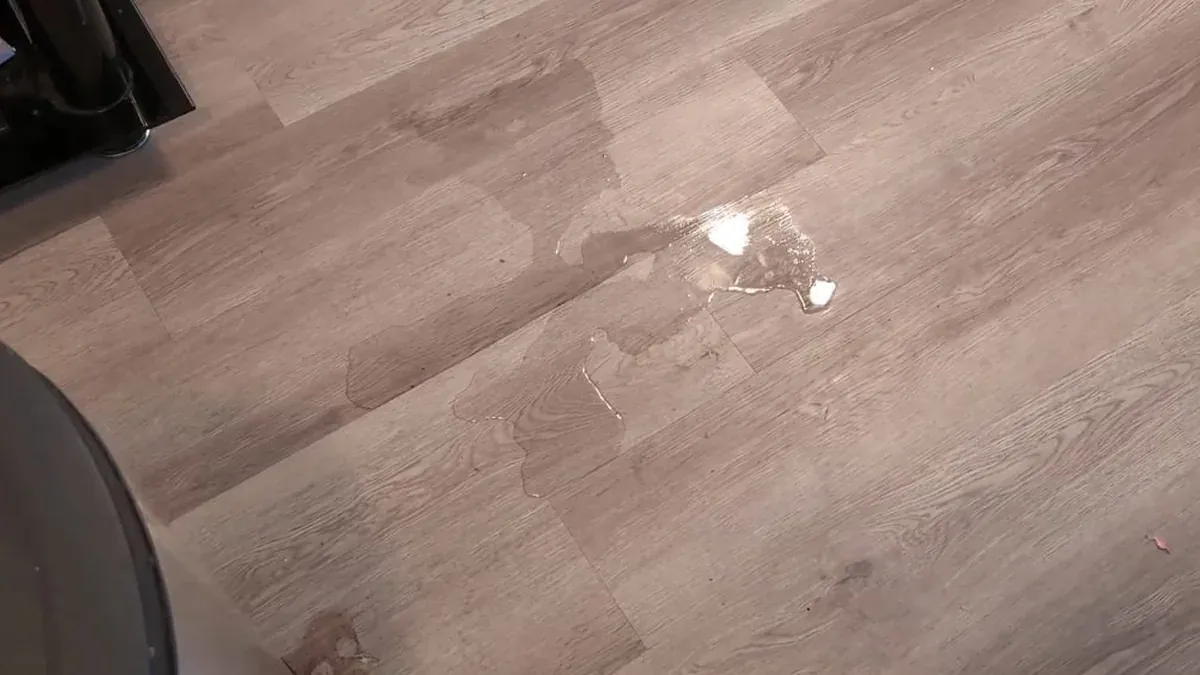
What happens on a water damage job
Every job follows the same process, whatever the cause, and knowing it lets you judge whether you are being sold a step you do not need.
- The source is stopped. A burst pipe means closing the main house valve; a roof or appliance leak means stopping that source. A plumber handles pipe repair, and the leak detection page covers locating one that is hidden.
- The damage is assessed. Moisture readings show how far the water traveled, and the surfaces that are wet are mapped.
- Standing water is extracted. Pumps and extraction vacuums remove what can be reached.
- Materials that cannot be saved come out. Soaked padding and wet drywall are removed so that the structure can dry.
- The structure is dried. Air movers and dehumidifiers run, with readings taken to see whether drying is working.
- Records are kept. Photos, readings and a list of what was removed are your documentation.
Rebuilding what was removed, such as new drywall, paint, flooring and cabinets, is reconstruction. It is a different contractor's work and is not part of this service.
| Covered | Not part of this service |
|---|---|
| Water extraction and removal of what cannot be saved | Rebuilding walls, floors, cabinets and paint |
| Drying with air movers and dehumidifiers, with readings | Roof repair, air conditioner repair and gutter work |
| Sewage backup cleanup | Exterior drainage, grading and foundation repair |
| Mold testing, assessment and removal | Decisions on what an insurer will pay |
| Records of the work done | Any promise that a given material will be saved |
Water extraction and removal: the first hours
The first hours decide how much of the structure can be saved. Emergency extraction is the core of the work: bathroom leaks, a collapsed ceiling, water under a sink from a burst supply line. Standing water is removed first, because each hour it sits it moves into drywall, baseboards and the subfloor.
State health guidance puts drying first. The California Department of Public Health, through the state emergency services office, says drying the home quickly and removing water-damaged items is the most important step in preventing mold. You can help before anyone arrives by moving furniture off wet carpet, lifting drapes and removing small items to dry ground.
Source for the drying guidance
The guidance was written for flood recovery, and the same principle applies to any water loss: dry quickly, and discard what stays wet. For mold questions, the state advises contacting your local environmental health department.
Source: California Governor's Office of Emergency Services, mold prevention and safety, citing the California Department of Public Health. Checked October 2026.
Call the dispatch line: (888) 681-3447
Stay out from under a ceiling that is sagging with water, since it can come down. Keep clear of standing water near outlets, appliances or the electrical panel, and treat sewage as a health hazard.
Burst pipe and plumbing leak damage
A burst pipe can release a great deal of water in a short time, and a slow leak inside a wall can release it for weeks before it shows. The first matters for speed, and the second for what has already soaked into the structure. A plumber repairs the pipe, and the mitigation of whole-house flooding from a burst pipe is extraction and drying.
Two pages work alongside this one. Pipe failure and the repair-or-replace question are on the burst pipe and repiping page, and a water bill that jumps with no visible leak is a question for the meter test. If the leak followed a kitchen or bath fixture, the fixture is covered on its own page.
Flooded basement, crawl space and whole-house flooding
Where the house has a basement or a crawl space, water collects there first and is the hardest to see. Plumbing causes come first in the list of reasons: a broken irrigation line, a failed main, a sewer backup or a water heater that let go. Flooding from rain or a river is a different cause with different rules, and the plumber's part is limited to the plumbing side. Ask where the water is entering and where it is leaving, since a crawl space that is closed up while still damp holds the moisture in, and moisture readings tell you when it is safe to close.
Whole-house flooding is the same sequence at a larger scale, and the drying plan is made room by room. Ask who decides when drying is complete, and what readings they will show you.
Sewage backup cleanup
Sewage is a health hazard, and it is handled differently from clean water. Porous materials that have been in contact with sewage are usually removed instead of dried, and hard surfaces are cleaned and disinfected. Ask which materials are being removed and how they are being handled, since sewage-soaked material is often disposed of as waste and not as ordinary trash. Keep children and pets away, and do not run water into drains while the backup is active.
The repair of the line that caused the backup belongs to the sewer page, and in Moulton Niguel's territory the owner's side of the sewer lateral runs through the connecting wye, so the plumber who clears the line is also the one who tells you where the blockage was. See sewer line repair and backups for that side of the job.
Damage assessment and major loss inspection
An assessment answers three questions: where the water went, which materials are wet and what is likely to be salvageable. A moisture meter reads wood and drywall, a thermal camera shows cool, wet areas behind surfaces, and the readings are recorded so that they can be repeated at the end of drying.
The same approach applies to ceiling water damage inspection, where a stain on a ceiling can come from a pipe, a roof or an air conditioner above. It also applies to a major loss at a vacant home, where water may have run for days before it was found, and where the insurer will want a complete record of the extent. Ask for the readings in writing.
Drying equipment: air movers and dehumidifiers
Air movers push air across wet surfaces so that moisture leaves them, and dehumidifiers pull that moisture out of the air so that it does not settle somewhere else. The two work together, and the number and placement of machines follows the readings, not a rule of thumb. Drying time depends on how much water there was and which materials absorbed it, so ask for a daily reading rather than a promised end date. Air mover and dehumidifier rental after rain flooding is a different arrangement from having a technician monitor the drying.
Flooring and carpet damage
Whether flooring can be dried or has to be replaced depends on the material and how long it was wet. Carpet can often be saved if it is lifted and dried within a day or two and the water was clean, and padding is usually replaced. Hardwood that has begun to cup, from a washer valve break or a condensate line leak, needs controlled drying and may need replacement. No result is guaranteed, and a quote should say which flooring is being dried and which is being removed.
Mold testing, inspection and assessment
Mold can follow water damage. State guidance, as relayed by the state emergency services office, says that mold can be assumed on items that have been in contact with floodwater for more than two days. A mold assessment looks at where moisture has been, what the surfaces look like and whether a sample is worth taking.
Testing can show whether spores are present and what kind. It does not by itself tell you what to do, and its results are explained, not promised. A condo association asking for an assessment, or a homeowner who smells mustiness under basement stairs, is asking whether there is a moisture problem behind a surface, which is a question about the building as much as the sample.
Mold remediation and removal
Remediation removes mold and the materials it has grown on, then fixes the moisture that fed it. The sequence is containment, removal of porous materials that cannot be cleaned, cleaning of surfaces, drying and then an inspection of the result. The cause has to be stopped first, because mold cleaned from a surface that stays wet returns.
The state's guidance is to dry carpet, drywall, ceiling tile, fabric and similar materials first if no mold is visible, and to throw them out right away if it is. For questions about how mold should be handled in your area, the state recommends contacting the local environmental health department. Cleanup after a leak under a bathroom sink, in a closet or on an outdoor structure follows the same logic.
Fire, smoke and odor damage
Fire and smoke restoration is outside what this page offers. After a fire, the first calls are to the fire department and to your insurer. What this service handles is the water that put the fire out, which is extraction and drying like any other job. Smoke odor settles in porous materials such as drywall, insulation, carpet and upholstery, so soot and odor removal usually means cleaning or replacing those, and the source of the smell has to be found before anything is deodorized. That work belongs to a fire restoration company. Ask any company what is being cleaned, what is being removed and how the result will be checked.
Tell the dispatcher what happened when you call. The water side of a fire loss can be handled here, while smoke and soot cleanup is referred to a fire restoration company, so the two jobs are scoped and documented separately.
Leaks that do not start with plumbing: roof, ceiling, air conditioner and irrigation
A wet ceiling is not always a pipe. Non-plumbing sources such as roof leaks, an air conditioner's condensate line, an irrigation system and a neighbor's sprinkler can all send water into a home, and a flooded closet can leave carpet and pad soaked behind a closed door. A plumber finds out whether the source is a pipe, and if it is not, stops short of repairing it. Roof repair and air conditioner repair are not offered.
Basement waterproofing and foundation inspection
Exterior drainage, grading and foundation repair are other trades. The plumbing part of the question is whether a pipe, a drain or a sump is the source of water at the foundation, and a plumber can check that, beginning with supply lines, drains, hose bibs and irrigation near the foundation, since a leaking pipe there can look like groundwater. If the answer is groundwater, the next call is to a waterproofing contractor.
Insurance claims and loss documentation
Keep records. Photographs of the damage before anything is moved, the moisture readings, the list of what was removed and the dates make a claim easier to present. Water damage insurance claims assistance, in the sense this team gives it, is documentation of its own work; what the insurer pays is a matter between you and the insurer. Call your insurer promptly, and ask them what they need before materials are discarded.
Condos, apartments and commercial properties add a second party, a landlord or an association, and that party may need to be told before work begins. Storm, river and rain flooding follow the same steps, with the cause outside the plumbing.
Where the water came from decides the next page. A stopped line is a stopped drain problem, a failed tank is a failing water heater, a broken yard line belongs under buried water line leaks, water rising through the floor is a leak under concrete question, and a business property is handled as plumbing in a business. The Aliso Viejo plumbing homepage lists the rest.
Water damage questions
How long does drying take after water damage?
It depends on how much water there was and what it soaked into. Drying is tracked with moisture readings, and the end point is when those readings come back to normal, not a date. Ask for the readings, since a promised number of days is a guess.
Can carpet and hardwood floors be saved after a leak?
Sometimes. Carpet that was wet with clean water and is lifted and dried quickly can often be saved, and padding is usually replaced. Hardwood that has cupped may need controlled drying or replacement. No result is guaranteed, and the quote should say which flooring is dried and which is removed.
Is a ceiling leak always a plumbing problem?
No. It can be a roof, an air conditioner's condensate line, an irrigation system or a neighbor's unit. A plumber can tell whether a pipe is the source. Roof and air conditioner repairs are not offered.
Does a plumber fix a foundation or waterproof a basement?
Those are other trades. A plumber can check whether a pipe or a drain is the source of the water at a foundation. If it is groundwater, a waterproofing contractor is the right call.
What should I keep for an insurance claim?
Photos before anything is moved, moisture readings, the list of removed materials and dates, and the invoice for the work. Call your insurer early and ask what they need before anything is thrown away.
Water on the floor or in the walls right now?
Call the water damage line, say what happened and where the water is. Stop the source first if it is safe to do so.
Call (888) 681-3447