Commercial Plumbing in Aliso Viejo, CA: Maintenance Contracts, Grease Interceptors and Building Repairs
A restroom backs up in the middle of a business day, or a leak shows in the ceiling of a tenant space, and the question is who to call, who is responsible and what to have ready. Commercial plumbing differs from residential in exactly those details: more people depend on the system, more than one party can own a piece of it, and downtime costs money.
Below: what to arrange before a problem, how ownership is divided, what grease interceptors require, which jobs fall under commercial plumbing and what a first visit needs.
Who is responsible: customer, landlord or district
Responsibility in a commercial building has layers. The district's side ends at the meter's outlet coupling, and the customer owns what comes after it. In a building with tenants, the lease decides which of those pieces the owner keeps and which the tenant handles. Read the lease or ask the property manager before authorizing a repair, because the first call and the invoice may go to different parties.
| Part of the system | Usually responsible | Check first |
|---|---|---|
| Water main and meter | The water district | Your water bill, to see which district serves the building |
| Lines from the meter into the building | The property owner | The lease, if the building has tenants |
| Sewer lateral to the wye | The property owner | Whether the lease passes it to a tenant |
| Grease interceptor on a private lateral | The customer | Who holds the cleaning schedule |
| Fixtures inside a tenant space | Often the tenant | The lease and any maintenance clause |
The first three rows are Moulton Niguel's published rules, and the others depend on the building and the lease. Where El Toro Water District serves the building, its own rules apply and are not covered here.
Source for the customer side of the line
The district's published standards put the sewer lateral, through the connecting wye, on the customer's side, and its leak page does the same for water after the meter's outlet coupling.
Source: MNWD operations pages and construction standards. Checked October 2026.
A leak near electrical gear, a floor drain overflowing in a kitchen or a gas smell in a commercial building means clearing the area first. Shut off what you can safely reach, and call. A gas smell goes to the utility or 911 before anyone else.
Maintenance contracts: what to put in writing
A maintenance plan is the commercial answer to the problem of finding a plumber after something fails. Commercial plumbing contractors differ in the building types they work on, so ask about yours. The aim of a plan is a known visit schedule, known contacts and a record of the building's plumbing, so that an emergency call starts from what is already on file.
- Scope: which systems are covered, such as drains, water heaters, backflow devices, grease interceptors and fixtures.
- Schedule: how often visits happen and what each includes.
- Response: how after-hours calls are handled and who to call.
- Records: inspection notes, camera recordings and parts replaced.
- Exclusions: what is not covered, in writing.
Plumbers on this network are independent, so a maintenance plan is an agreement with the plumber, not with this site. Ask for the terms in writing before agreeing. A contract that names a response time is making a commitment; ask who is making it.
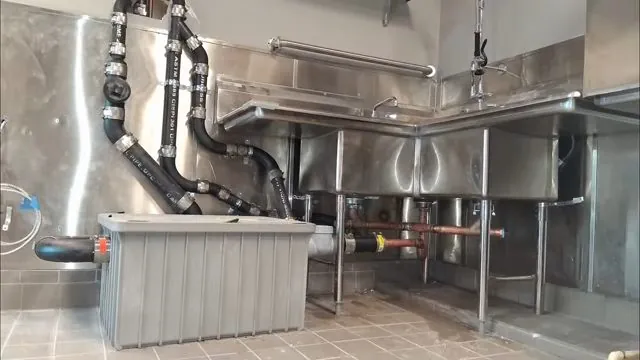
Grease traps and interceptors
A grease trap or interceptor catches fats, oils and grease before they enter the sewer. It only works if it is emptied and cleaned on a schedule, and when it is not, grease reaches the lateral and causes the backups that kitchens know well. The question for any food business is who is keeping the schedule, and who is accountable if a backup is traced to the interceptor.
Moulton Niguel's construction standards say that a grease interceptor on a private commercial sewer lateral is the sole ownership and responsibility of the customer. That puts the cleaning, the records and the cost of a failure on the business, not the district. Ask your plumber for the cleaning schedule in writing, a record of each cleaning and a note of anything seen in the interceptor.
Source for the interceptor rule
MNWD construction standards, January 2019, on grease interceptors on private commercial sewer laterals.
Source: MNWD operations pages. Checked October 2026.
Restaurants and commercial kitchens
A commercial kitchen has more fixtures, hotter water and heavier grease than a house, and its drains take the brunt. Floor drains, prep sinks, dishwashers and kitchen exhaust condensate all connect to the same system. A commercial kitchen water filter protects ice machines and similar equipment, and is chosen for that equipment, not for the building. A plumber who works in kitchens will ask about the interceptor first, then the drains, then the water heater and its recovery under load.
Commercial drains, water heaters, leaks and pipe repair
The same services as in a home are used, at a larger scale and with different constraints. A drain line serving several restrooms is cleared the same way as a house line, but a stoppage affects an entire floor. A commercial water heater may be a larger tank or a bank of units, and its failure affects every tenant. A leak in a ceiling affects the space below, which may belong to someone else.
- Drain cleaning, including hydro jetting and camera inspection of long runs. See the drain service page for the methods.
- Water heaters, repair and replacement for commercial units; the water heater installation checklist applies to the permit and safety items.
- Leak detection in occupied buildings, where finding a leak without opening finished ceilings is worth the effort.
- Pipe, slab and sewer repair, from a burst pipe to a failed lateral, and in industrial buildings an industrial sewer.
- Emergency calls, which go to the dispatch line at any hour.
A caller who had almost pinpointed a leak to within about twenty feet was asking for what a commercial plumber with locating equipment offers: narrowing a search along a long run before anything is opened.
Multifamily, apartments, light industrial and cold storage
Apartment buildings and light industrial space add scale and, often, shared systems. A leak in one unit can affect others, a shared sewer line affects everyone upstream, and a cold storage facility has refrigeration and drain requirements that a general plumber must understand. Say what kind of building it is when you call, so that the plumber sent is one who works on that kind.
Permits, landlord consent and what a first visit needs
Under the city's published fees, work begun before a permit is issued is charged double. Commercial work often needs a permit, and a tenant may need the landlord's consent first; the consent rules were not researched, so ask the property manager and the plumber. Get the permit number in writing.
Where the permit fee rule is published
The fee schedule is linked from the city's handouts page.
Source: City of Aliso Viejo building permit fees, FY 2026-27. Checked October 2026.
Have ready for the first visit
- A building contact who can authorize work and give access.
- The location of shutoff valves, cleanouts and the interceptor, if there is one.
- Prior repair records, camera recordings and maintenance logs.
- The lease terms on plumbing responsibility.
- Hours when the space can be worked on.
Commercial plumbing questions
What should a commercial plumbing maintenance contract cover?
The systems covered, the visit schedule, how after-hours calls are handled, the records kept and what is excluded. Plumbers here are independent, so the contract is with the plumber, and the terms should be in writing before you agree.
Who is responsible for a grease interceptor on a commercial building?
According to Moulton Niguel's standards, a grease interceptor on a private commercial sewer lateral is the sole ownership and responsibility of the customer. Ask the plumber for a written cleaning schedule and a record of each cleaning.
Who pays for a commercial plumbing repair, the landlord or the tenant?
The lease decides. The district's responsibility ends at the meter's outlet, and the owner is responsible for what comes after it unless the lease passes it to the tenant. Read the lease or ask the property manager before authorizing work.
Business plumbing problem, or planning ahead?
Call the dispatch line, say what kind of building it is and what is happening. The call is routed to a plumber serving Aliso Viejo.
Call (949) 209-5456